


Producing and consuming your own solar electricity and sharing it locally is possible with collective self-consumption. The organisation and management of such a project can sometimes be complex. This is why the EDF Group has developed simple and innovative solutions to optimise and facilitate your collective self-consumption projects, and to help you manage their scale.
Collective self-consumption: towards shared, local energy
Collective self-consumption opens the door to a new energy model, where solar production becomes a lever for independence and local cooperation. Thanks to this model, individuals, businesses and local authorities can produce electricity and distribute it among several nearby consumers.
This shared, optimised operation encourages better use of renewable energy and promotes more responsible consumption.
With the growth of solar photovoltaics and the support of expert partners such as the EDF Group, switching to collective self-consumption is now easier than ever.
Discover how this solution can transform the way you consume electricity.
What is collective self-consumption?
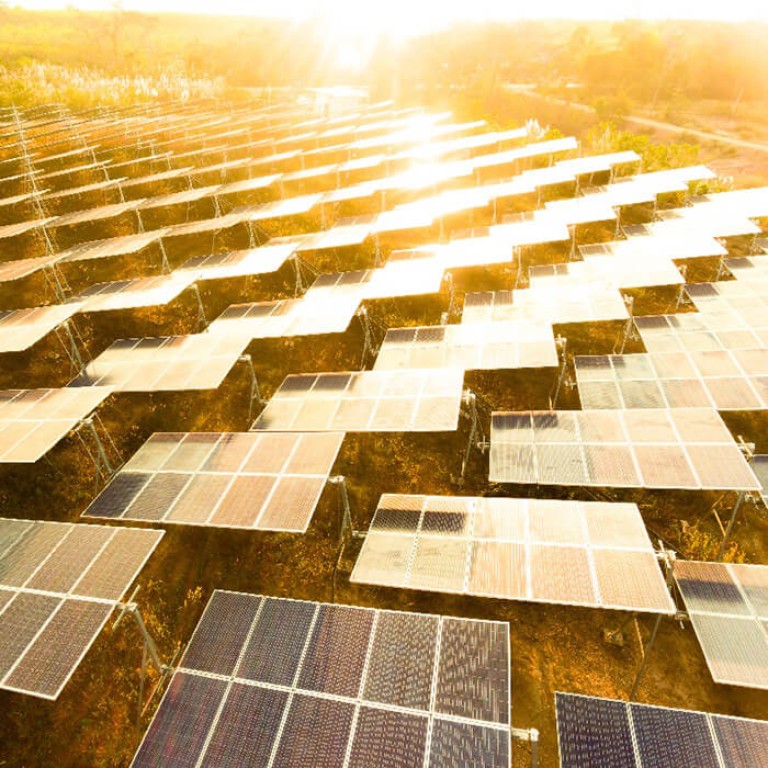
Collective self-consumption makes it possible to share locally the electricity produced by a photovoltaic installation between several consumers located within the same geographical area and close to the production site.
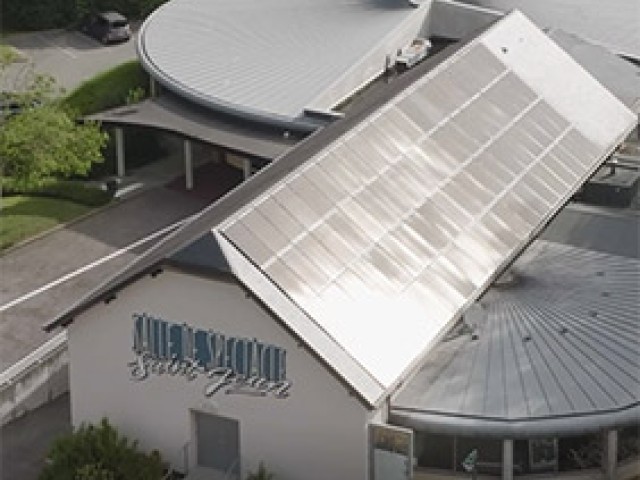
It may involve rooftops, solar carports or ground-mounted installations. This model helps optimise the use of renewable energy, reduce dependence on the national grid and lower energy costs for participants.
Enabled by a regulatory framework, collective self-consumption is particularly well suited to condominiums, business parks, residential neighbourhoods and local authorities seeking to better control their energy consumption.

Collective self-consumption: how does it work?
Collective self-consumption relies on shared electricity production distributed among several consumers within a defined perimeter. Participants come together under a legal entity (PMO – Organising Legal Person), which manages how the energy is shared and acts as the link with the public electricity network operator.
Each participant uses a share of the electricity produced according to agreed rules. Any additional electricity required is supplied by the public grid. No specific equipment is required for users, ensuring a simple transition to local, optimised energy consumption.
4 good reasons to switch to collective self-consumption with the EDF Group
-

Personalised support
Our experts support you at every stage, from feasibility studies to operation, helping you secure the best choices for your project.
-

A solution tailored to your needs
We offer modular solutions designed to adapt to each project, whatever its size or configuration.
-

360° expertise
We bring together all the skills needed to develop decentralised production projects, from technical studies to legal and regulatory support.
-
Simplified energy management
With the EDF Community platform, monitor and manage electricity production and consumption with full transparency.
Our strengths
Communitiz: simplify your collective self-consumption
Communitiz is an intuitive, customisable platform that makes it easy to manage your project—whether you are a manager, a producer or a self-consumer. With Communitiz, you can monitor, optimise and share your solar energy effortlessly.
Solutions for the entire photovoltaic value chain
As an expert in the development of photovoltaic installations, the EDF Group supports you throughout your collective self-consumption project. From design to implementation, our teams will advise you on technical and economic scaling, the search for suitable financing solutions, and administrative procedures.
For added peace of mind, our subsidiary, EDF solutions solaires (in French), operates and maintains your photovoltaic installations.
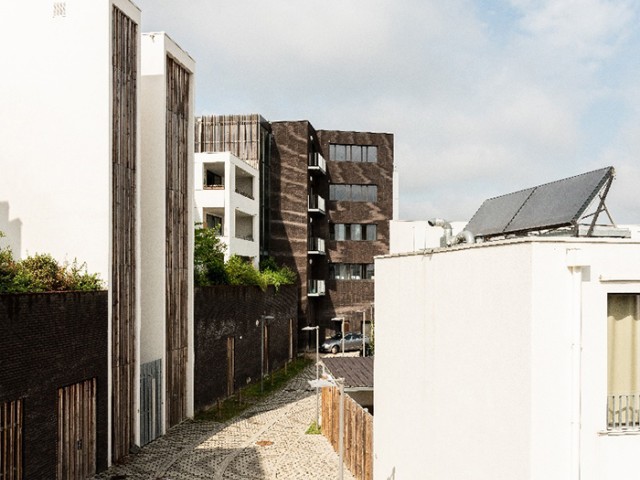
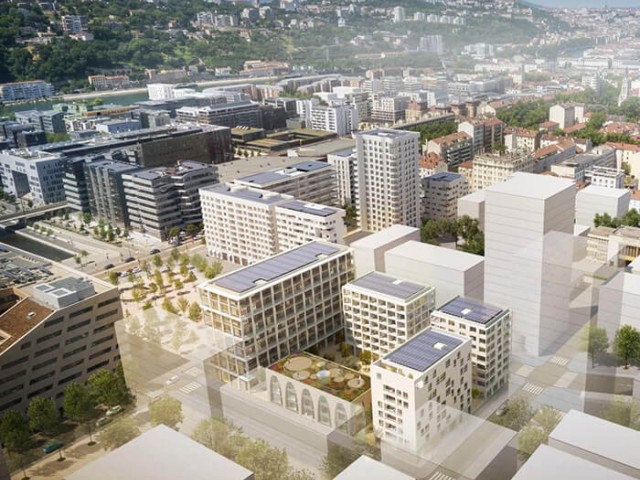
A few examples of achievements
⁽¹⁾ In the case of shared renewable energy. For other means of production, extraction and injection points must be located on the low voltage network.