A moving story, since 1946
-
1946 - 1960
-
1960 - 1973
-
1973 - 1990
-
1990 - 2010
-
2010 - Tomorrow
Building the nation’s electricity system
1946-1960
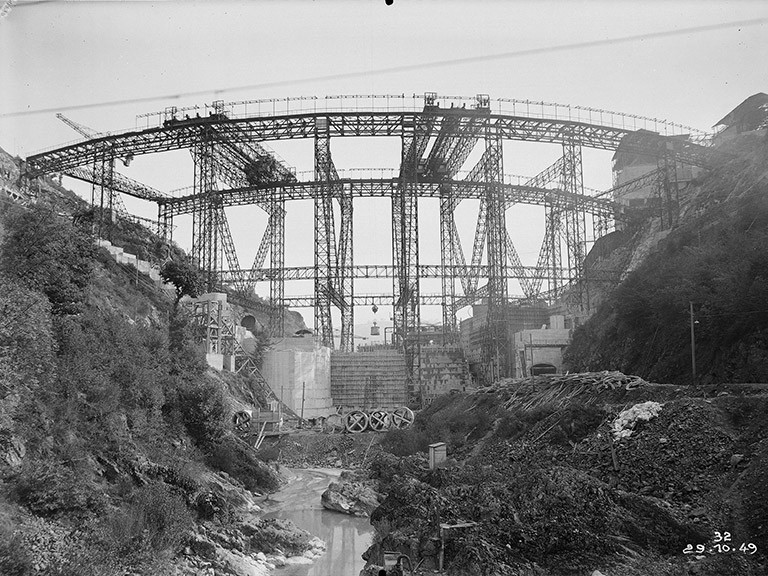
60 dams built in less than 10 years
8 April 1946
France makes electricity a national priority
In the aftermath of the war, France was struggling to recover. Electricity was in short supply: production resources were fragmented, the grid was incomplete, and a large part of the population was still not connected.
The government proposed nationalising the generation, transmission and distribution of gas and electricity in order to unify more than 1,650 companies. The law of 8 April 1946 created Électricité de France and Gaz de France (EDF-GDF).
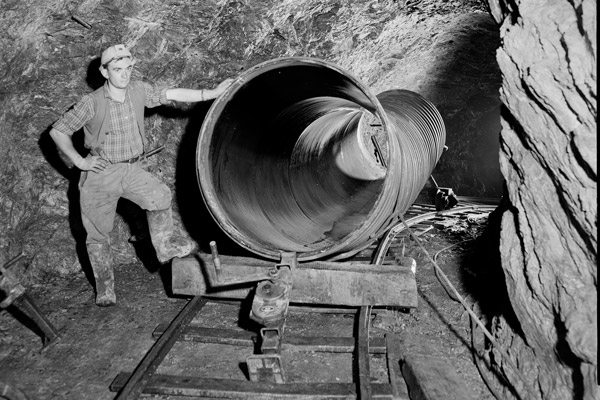
Across the country, construction sites began to open. Dams were built, including the Tignes dam in the Alps, thermal power plants were developed and expanded, and teams mobilised to create a network capable of setting the country back in motion.
EDF’s role
Providing electricity to every home
From the very beginning, EDF was entrusted with a clear mission: to provide reliable and accessible electricity across the entire country.
To achieve this, it brought together specialist skills, organised worksites and launched major infrastructure projects. One shared objective guided every effort: supplying towns, rural areas and industrial sites alike.
A project unprecedented in scale across the country.
France lights up again
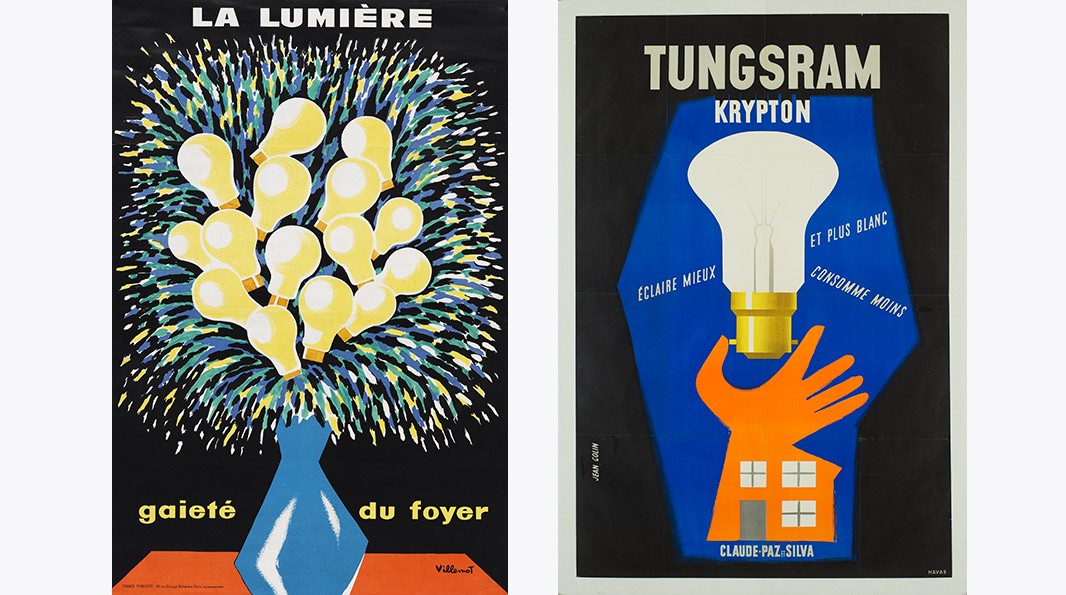
#1 - Light reaches homes
A light bulb finally stays on without interruption, transforming everyday life for people across France.
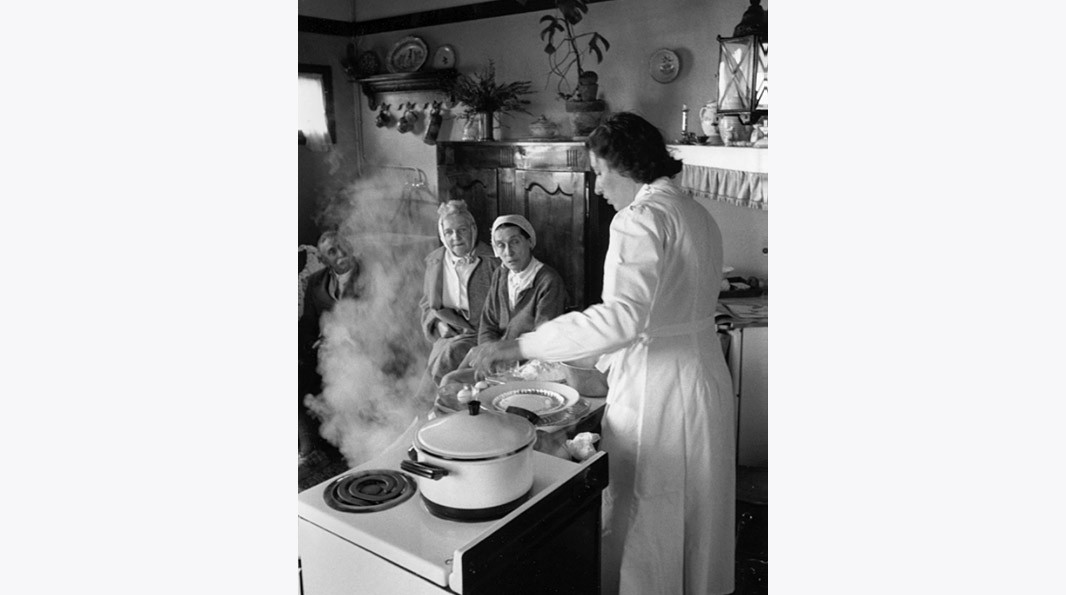
#2 - Discovering the uses of electricity
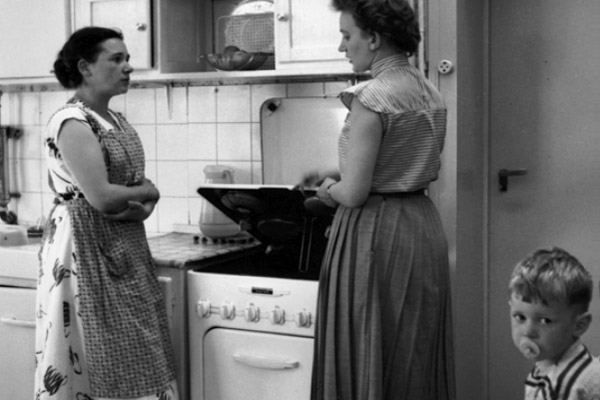
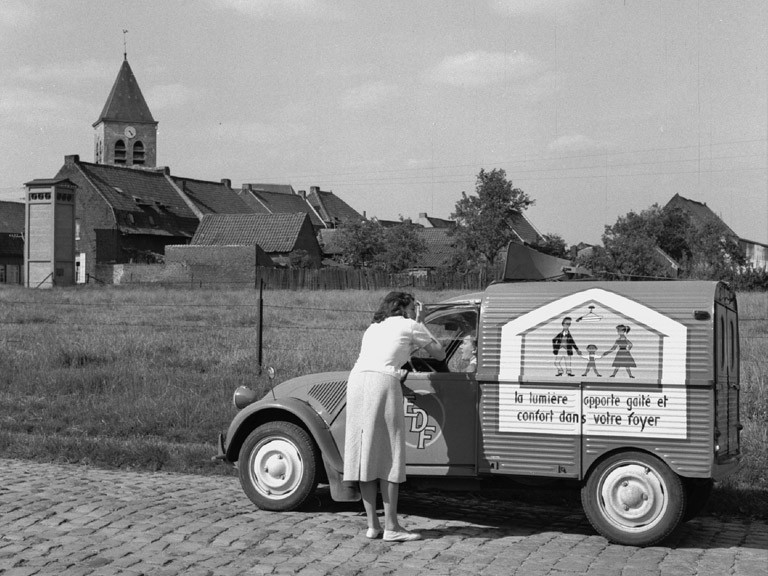
Home advisers help households discover and adopt electricity in daily life.
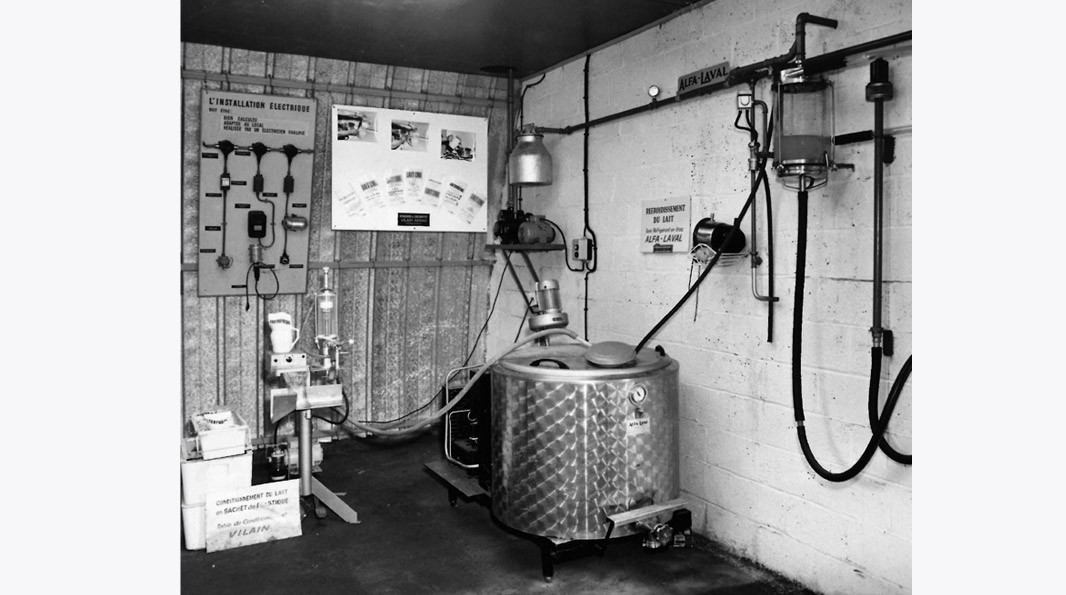
#3 - Electricity transforms work
Workshops, shops and farms: electricity helps restart economic activity. Tools evolve and work changes scale.
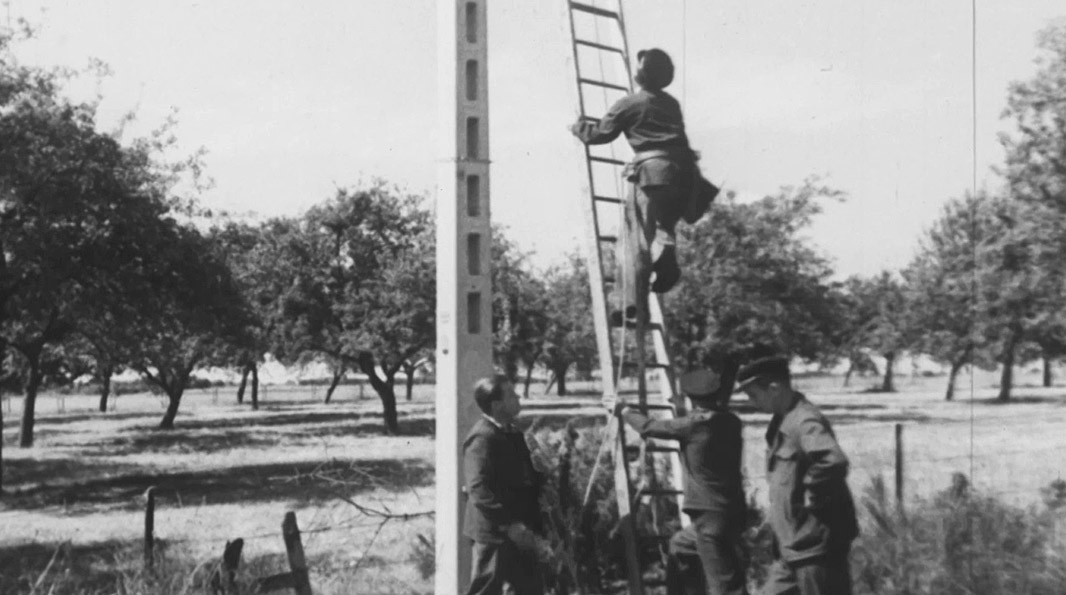
#4 - The grid connects regions
Power lines stretch across landscapes, linking towns and rural communities. Little by little, a single electricity system takes shape across the country.
From 1946 onwards, EDF was built on a public service mission: creating a network capable of supplying the whole of France and supporting the country’s reconstruction.
The era of modern comfort
1960-1973
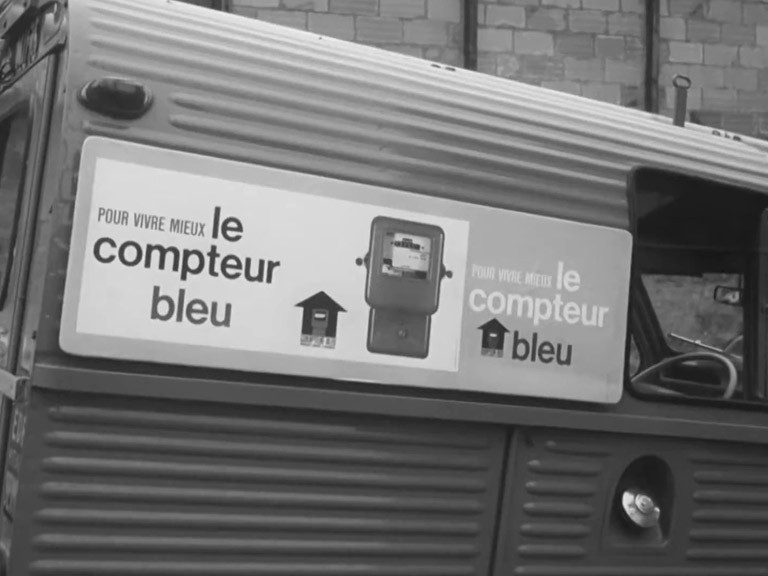
Electricity consumption doubled between 1960 and 1970

1963
The blue meter supports the widespread adoption of electricity
In the early 1960s, electricity profoundly transformed everyday life in France. Household tasks became easier, time was organised differently and daily habits evolved. This shift raised a new question: how could millions of homes be supplied reliably?
In 1963, EDF installed 70,000 blue meters every month. A simpler piece of equipment, designed to adapt electricity supply to each household at a time when demand was soaring.
Electricity became part of everyday life.
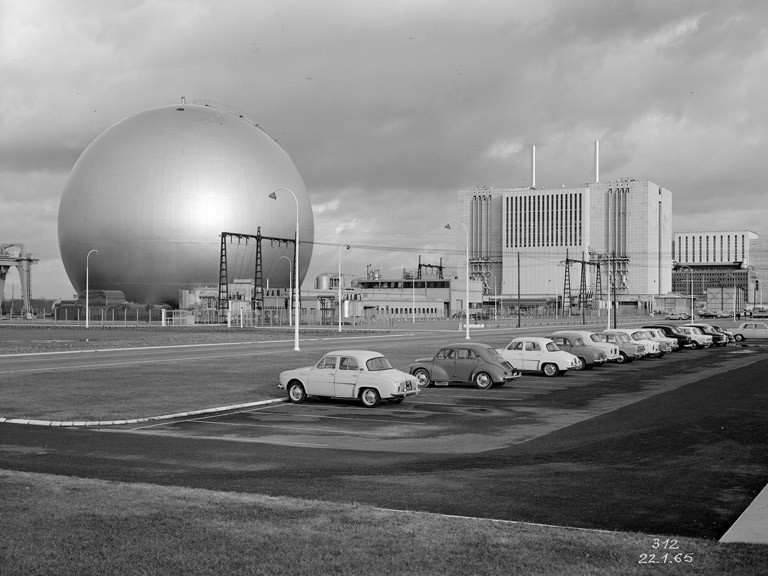
EDF’s role
Expanding electricity use in everyday life
EDF organised itself to support the country’s growing electrification. The public company expanded its generation capacity and strengthened its grid.
On the ground, technicians connected homes, installed equipment and supported customers.
Electricity reached everywhere, becoming part of even the most ordinary daily gestures.
Gradually, a shared culture took shape: that of a local public service, carried forward by women and men committed to modernising the country.
Electricity changes the lives of the French people in very concrete ways
#1 - The switch to 220 volts
France adopted 220 volts, making more powerful appliances possible. Washing machines, vacuum cleaners and televisions made everyday life easier and transformed domestic life.
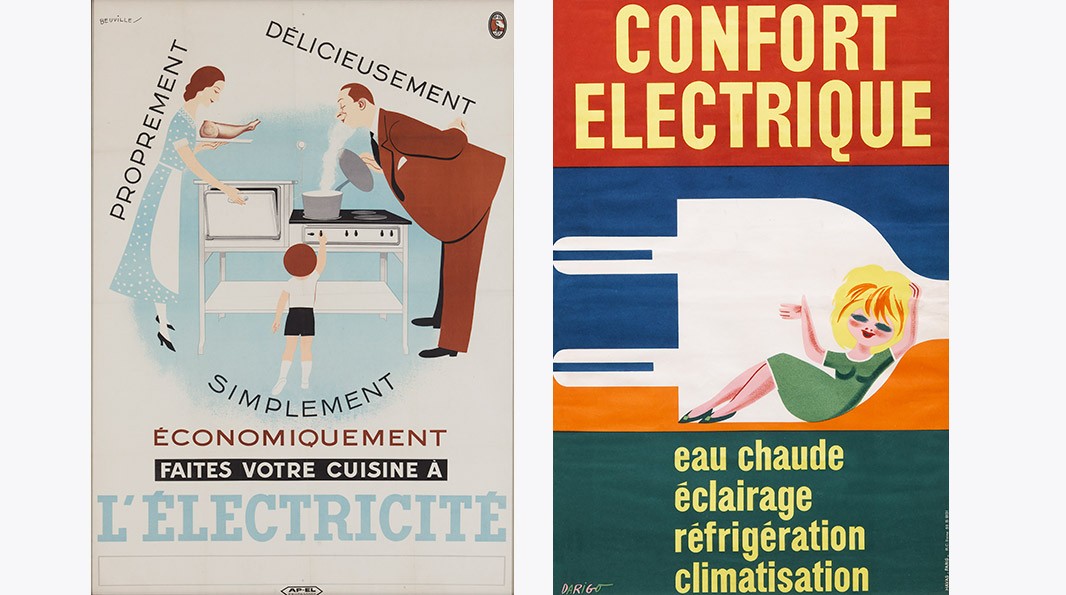
#2 - Electric comfort takes hold
EDF developed electric heating and hot water solutions. Modern comfort entered the home.
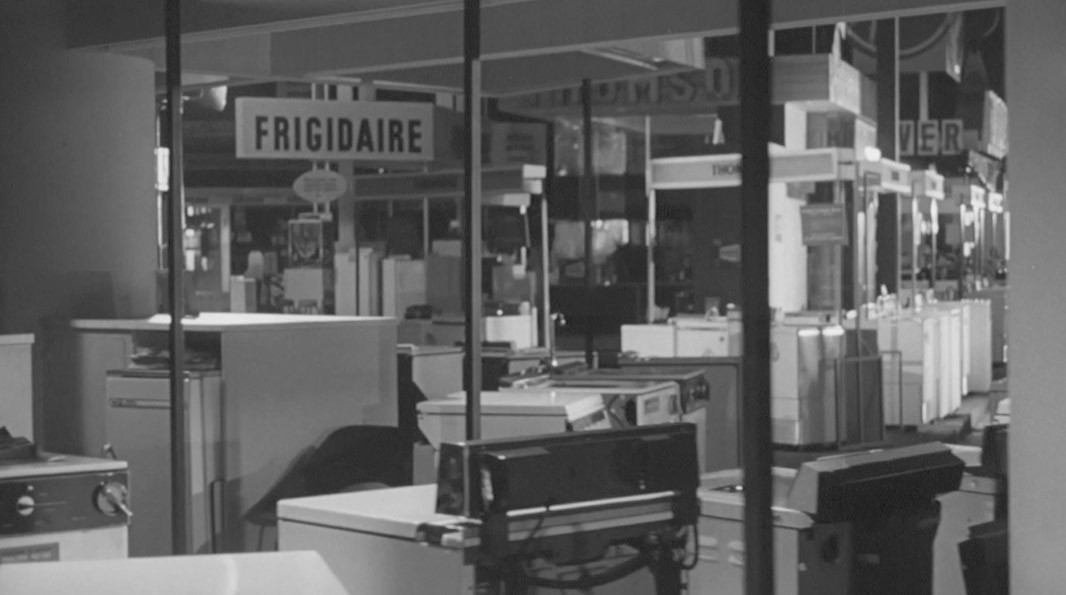
#3 - Research becomes structured
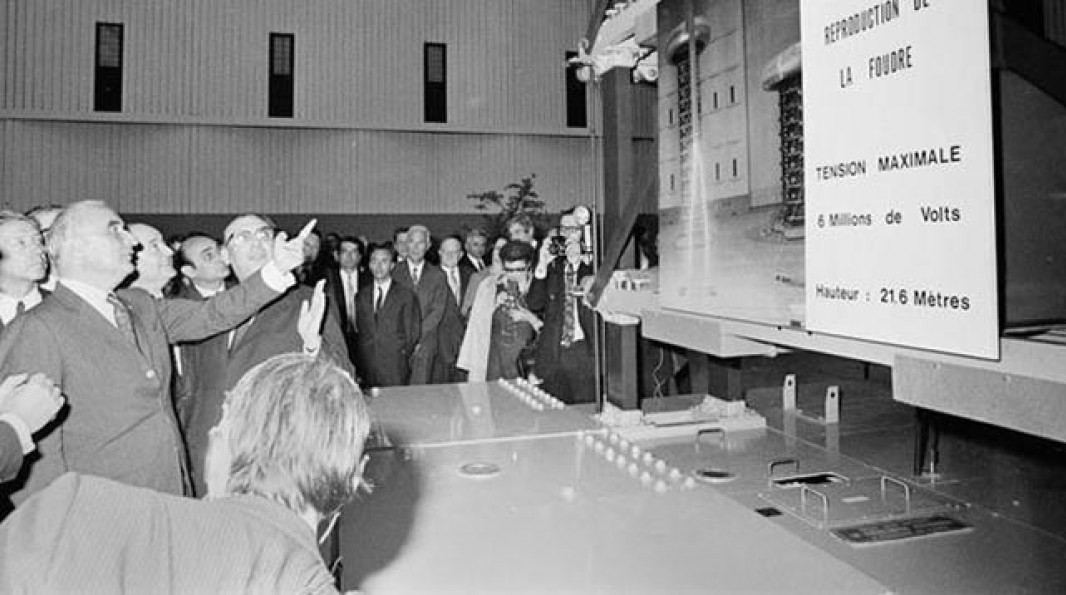
On May 12, 1971, President Georges Pompidou inaugurated the 1 MV test hall at the Renardières R&D center.
EDF made electricity accessible to all and supported the transformation of lifestyles.
Securing energy independence and changing scale
1973 - 1990
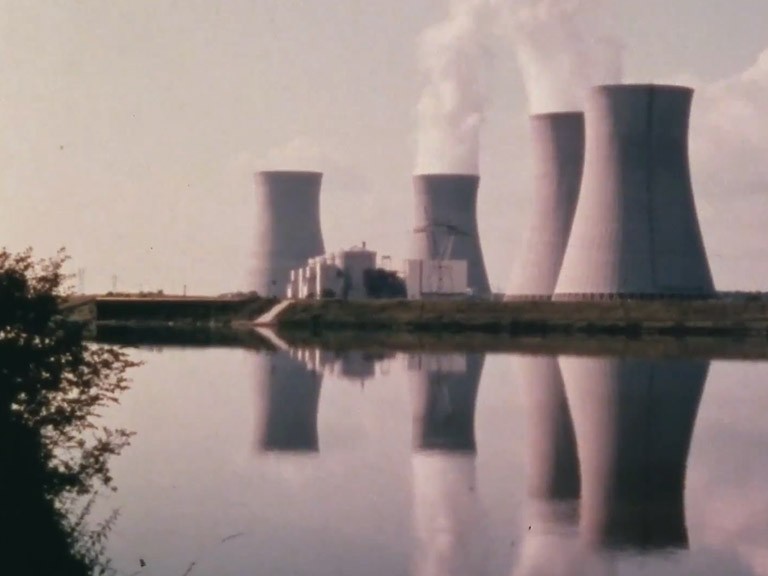
56 nuclear reactors built between 1974 and 1989
1974
France chooses nuclear power
In 1973, the oil crisis hit Western economies hard and exposed the fragility of national energy independence.
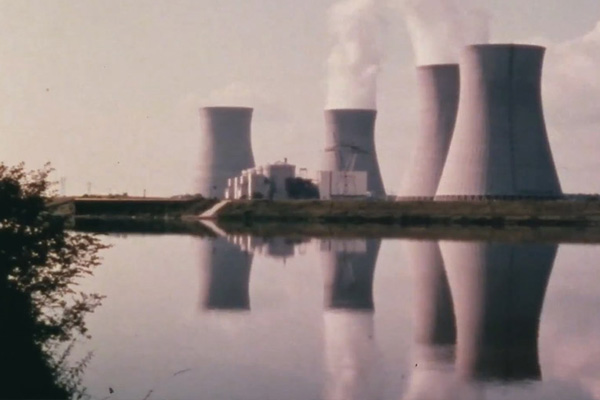
In response, the Messmer Plan launched a vast programme to build 13 nuclear power plants over two years in order to secure the country’s electricity supply.
The challenge was immense: build quickly, on a large scale, while maintaining the highest technical standards. Construction sites opened across the country. Within just a few years, a new pillar of the French electricity system was in place.
Nuclear electricity became a cornerstone of the country’s energy independence.
EDF’s role
Ensuring electricity is available at all times
Faced with growing electricity demand, EDF launched a nuclear programme on an unprecedented scale.
In just a few years, it developed one of the world’s largest nuclear fleets, supported by a fully integrated industrial chain.
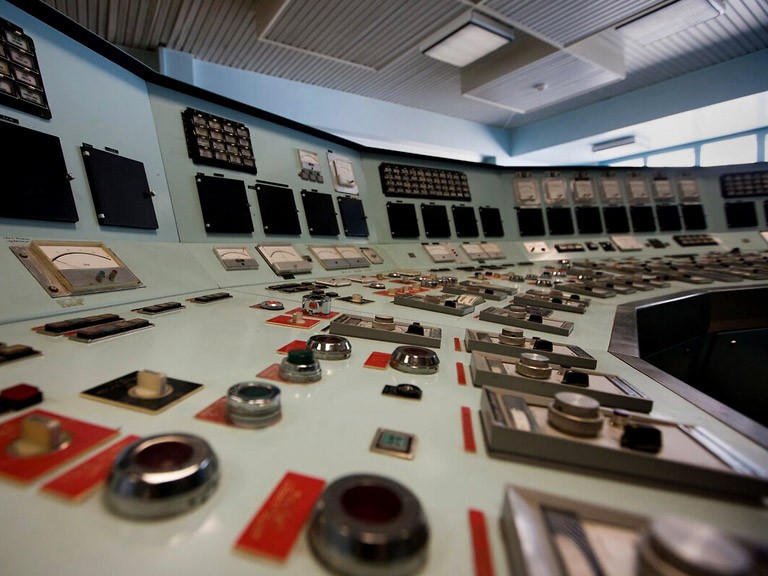
In power plants, new control rooms were introduced. Methods became standardised, teams built expertise and the sector became more structured.
Safety became a core requirement.
A country able to produce, grow and look ahead
#1 - EDF's public service mission in overseas France
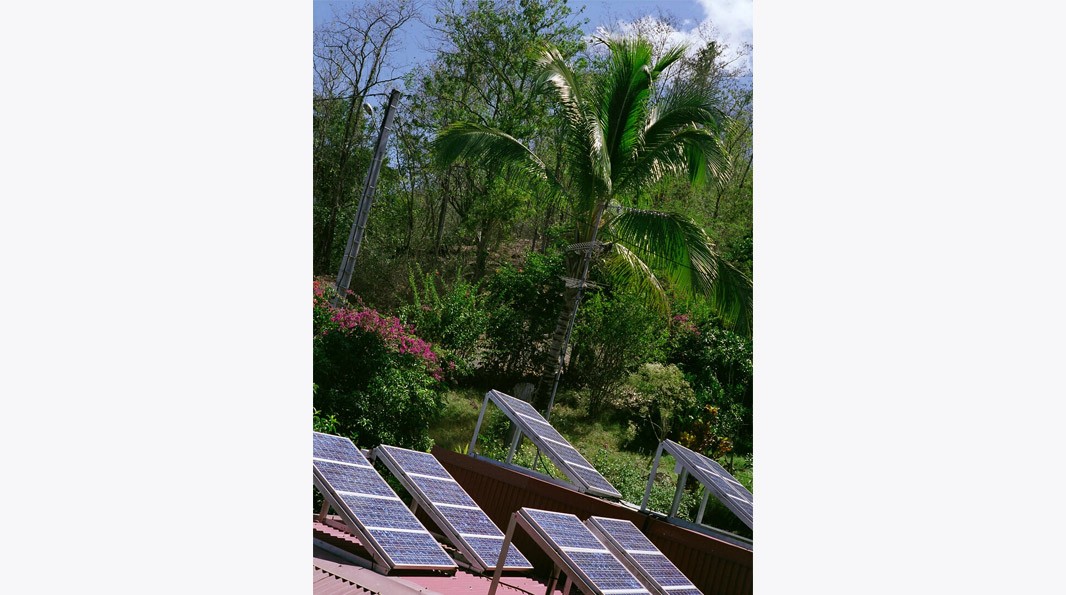
In June 1975, the electricity nationalization act was extended to Overseas France. Since then, EDF has been improving access to energy with innovative projects, from geothermal power in Guadeloupe to solar microgrids in La Réunion.
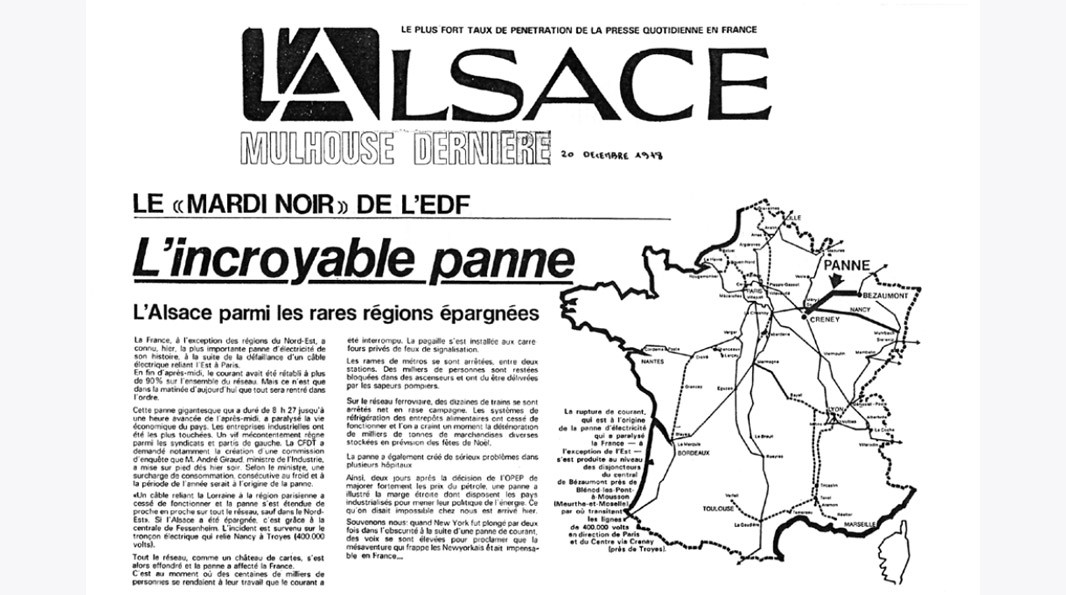
#2 - Nuclear reliability demonstrated
In 1978, during a nationwide outage, Alsace remained supplied thanks to the Fessenheim plant. An episode that illustrated the continuity and robustness of France’s nuclear fleet.
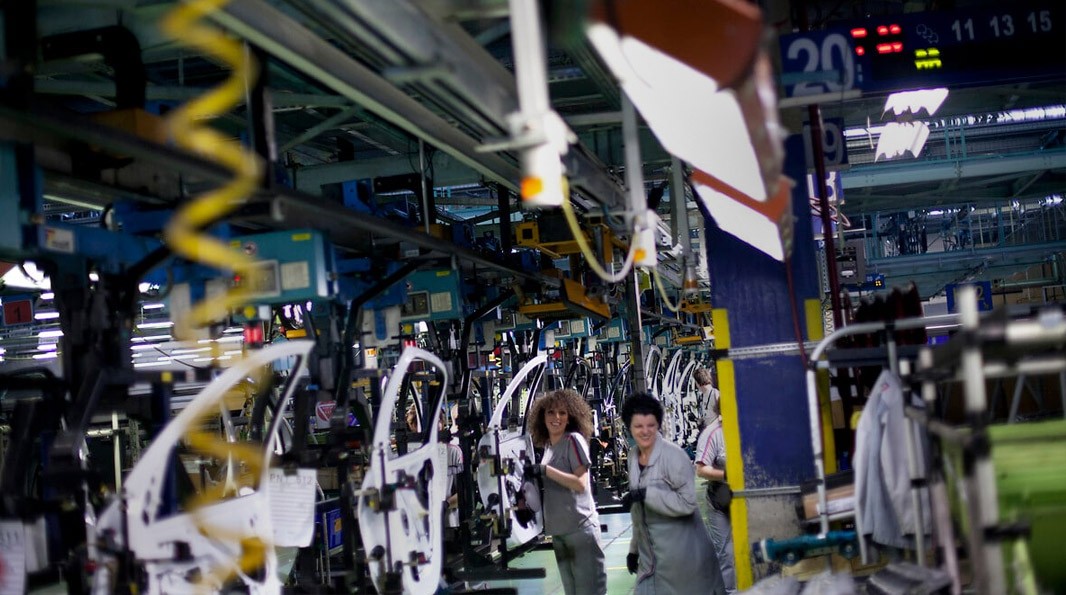
#3 - Electricity serving the economy
Available around the clock, electricity enabled factories and businesses to operate without interruption. Producing, investing and expanding: energy supported the country’s growth.
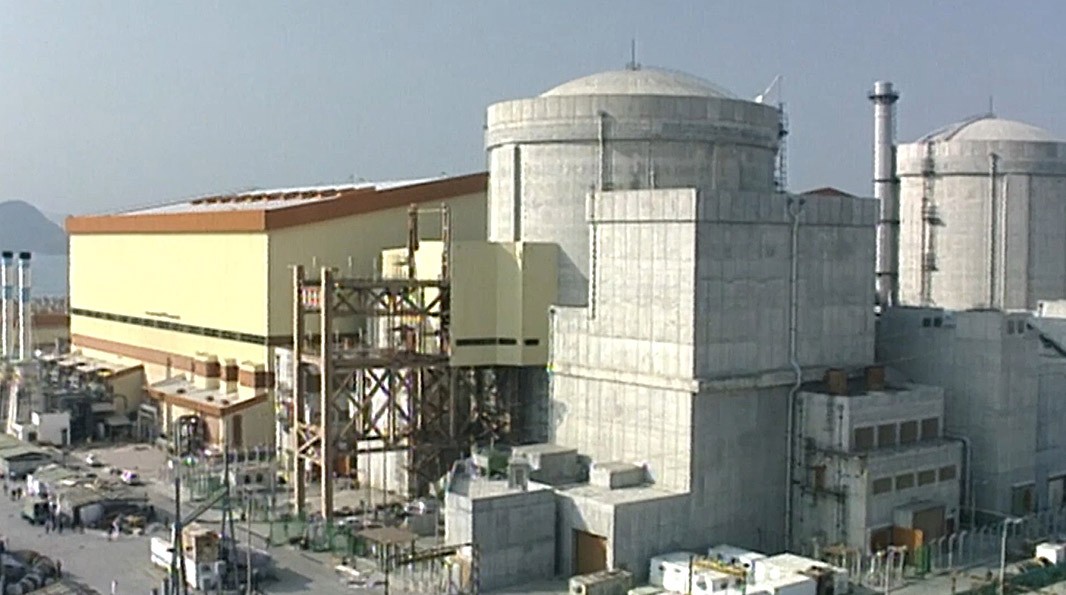
#4 - 1984 - Daya Bay, China
On May 12, 19
EDF exported its nuclear expertise for the first time, building its first international power plant at Daya Bay, China.
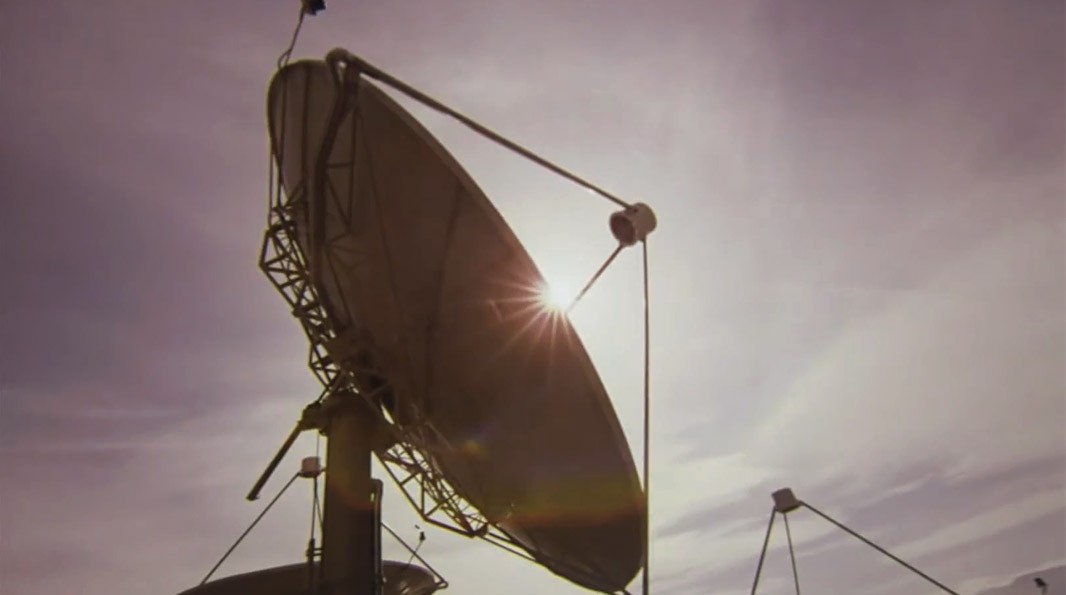
#5 - Thémis, a solar laboratory
In 1983, EDF and the CNRS experimented with the Thémis solar power plant in the Pyrenees. A new path opened up: exploring other forms of electricity generation.
EDF deployed a large-scale nuclear programme to ensure stable, controlled electricity production, generated predominantly within France.
Opening up to competition and reinventing the energy model
1990 – 2010
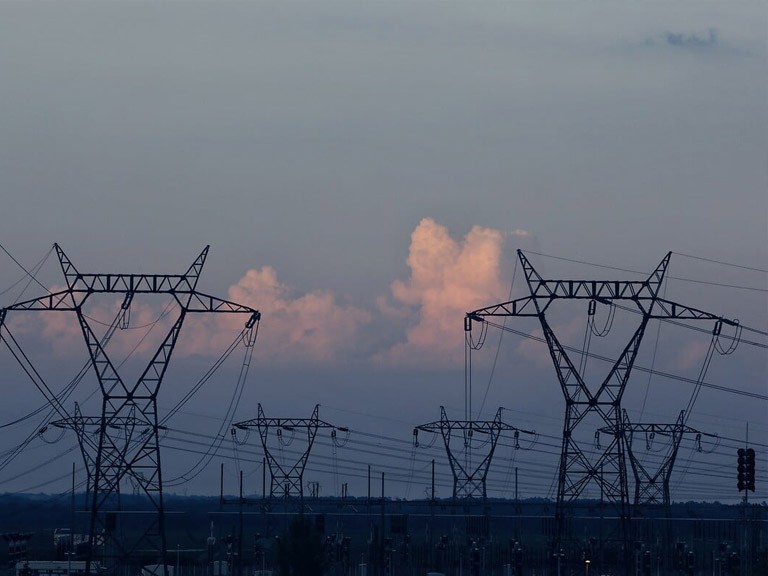
More than 100,000 km of power lines in France
1996
The electricity market opens in Europe
From the mid-1990s onwards, the European electricity model underwent profound change.
In 1996, a European directive launched the gradual opening of the electricity market to competition.
Until then, generation, transmission and distribution had been organised nationally within an integrated framework.
From that point on, new players were able to generate and sell electricity. Electricity began to flow on a European scale.
As the system became more open, it also became more complex to manage. The grid took on a central role: it was no longer only about generating electricity, but also about constantly balancing supply and demand across a much broader area.
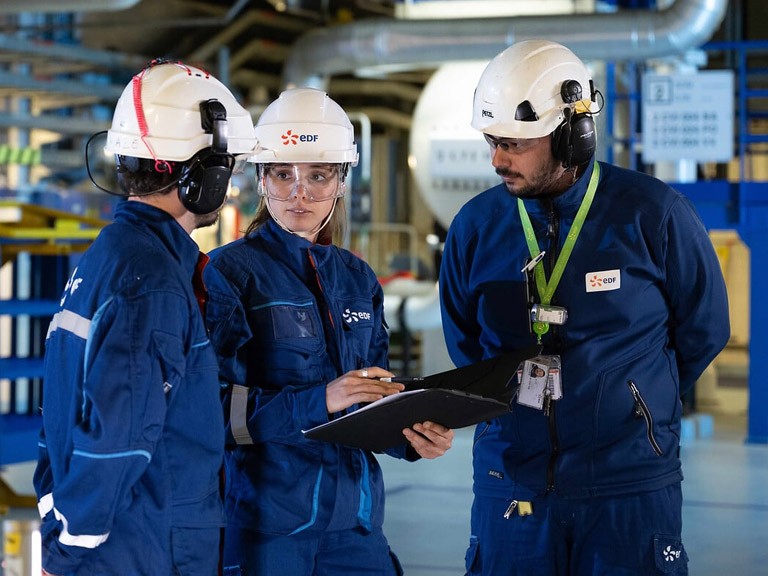
EDF’s role
Transforming to stay ahead
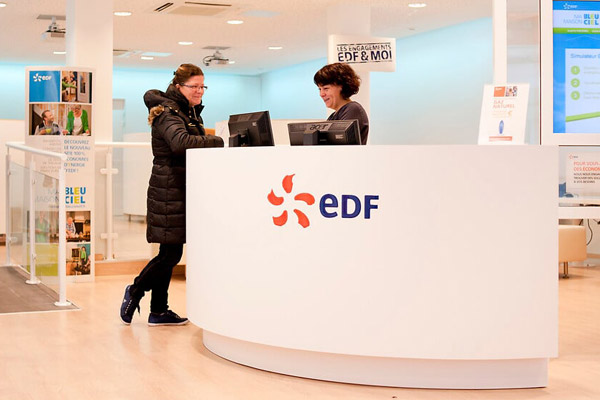
The opening of the market to competition - in 2004 for businesses and local authorities, and in 2007 for individual customers - changed the rules of the game.
After becoming a public limited company in 2004, EDF Group adapted. It relied on its strengths: electricity available around the clock and close customer service tailored to local needs. Generating power was no longer enough. The Group also had to support, explain and respond. Service quality became decisive.
Through this transformation, the Group retained its core foundations. Training, knowledge transfer and attention to teams remained at the heart of its model. Even as a global player, EDF maintained an ambitious social policy and a strong sense of belonging shared by its employees.
A stronger model, balancing performance and proximity
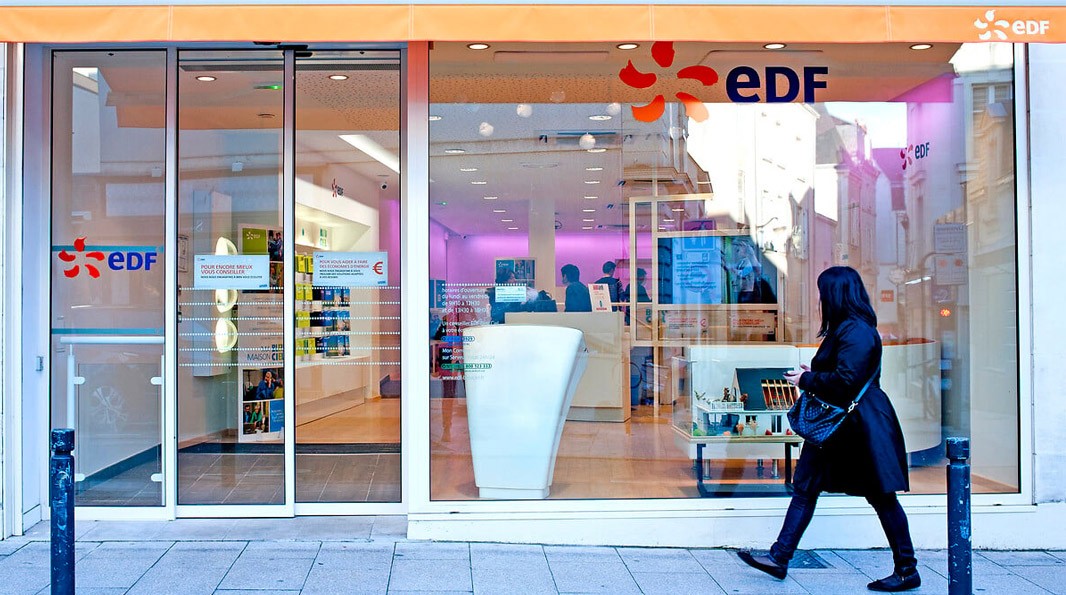
#1 - A stronger customer relationship
In a now open market, EDF adapted its offers. Customer relationships became a central priority.
#2 - A more resilient grid
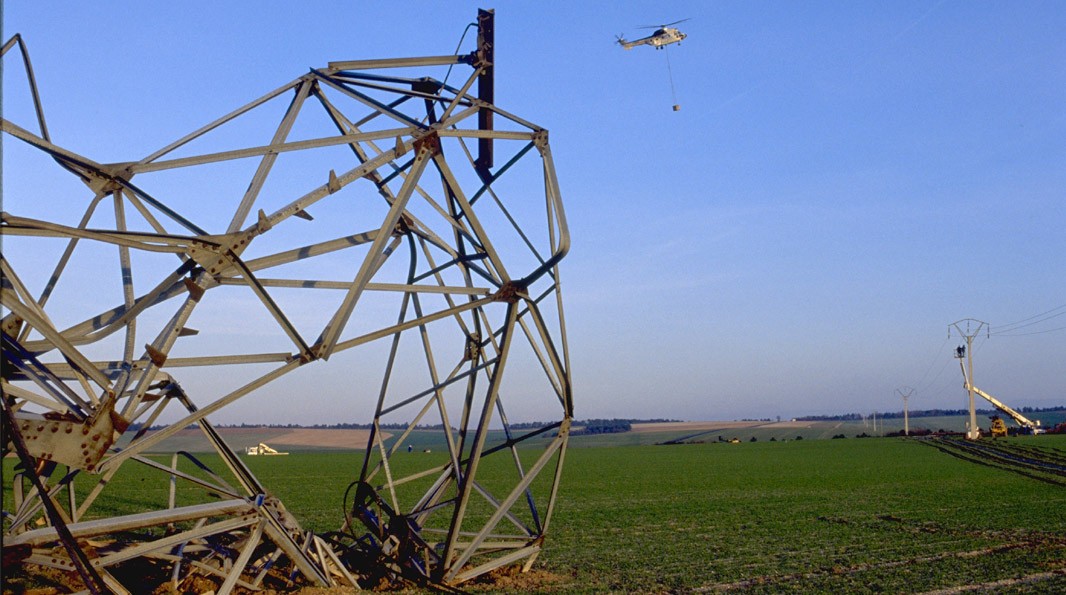
In 1999 and 2009, two major storms left millions of households without power. After 2009, the Rapid Response Intervention Force strengthened crisis response capacity.
#3 - The EDF Foundation: a cultural and social commitment
Created to support artistic creation and solidarity initiatives, the EDF Foundation opened a space for dialogue between energy, society and culture. A commitment that extends the Group’s mission beyond electricity.
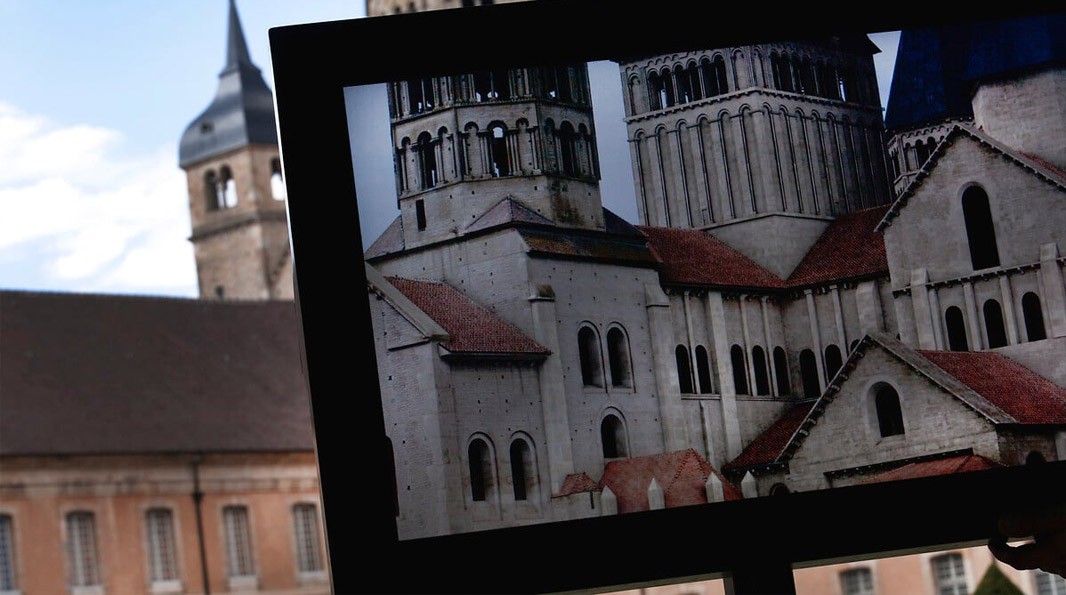
EDF adapted the electricity system to a world that is open, interconnected and global in scale.
Accelerating the shift to low-carbon electricity
2010 - Tomorrow
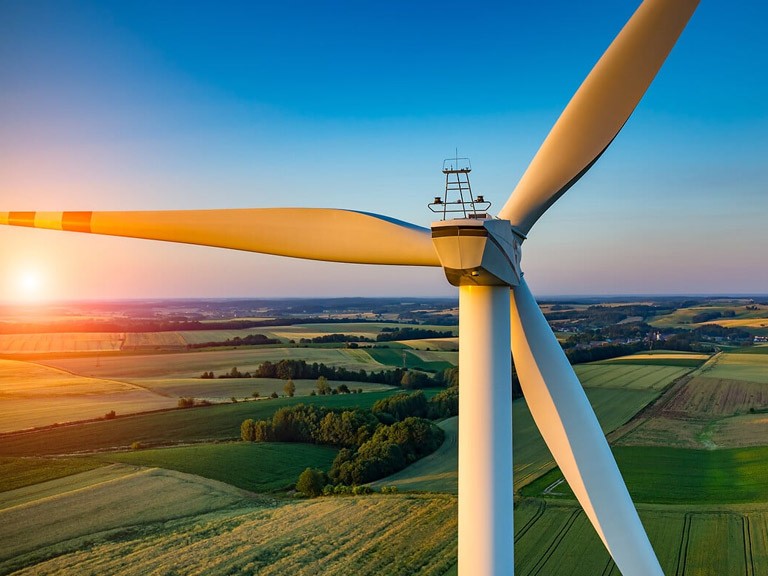
95% of electricity generated in France is low-cardon.
2015
The Paris Agreement sets a global climate framework
Climate change has become a defining global challenge. In 2015, it was in Paris that governments came together to agree on limiting global warming.
The Paris Agreement set targets for reducing greenhouse gas emissions.
Energy systems now have to evolve: generating and consuming differently, on a large scale. Electricity is taking on a new role.
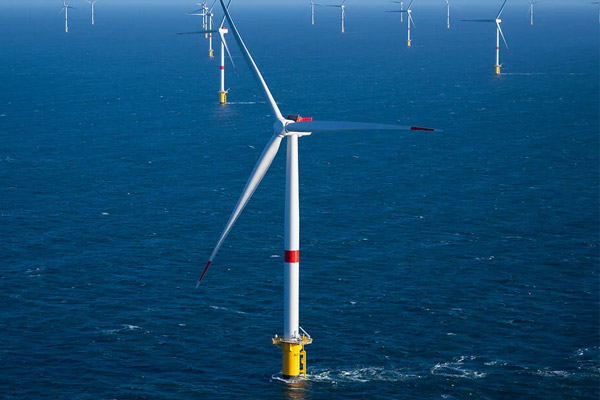
Renewable energy is growing, networks are being modernised and new uses are emerging.
Electricity is becoming a cornerstone of the energy transition.
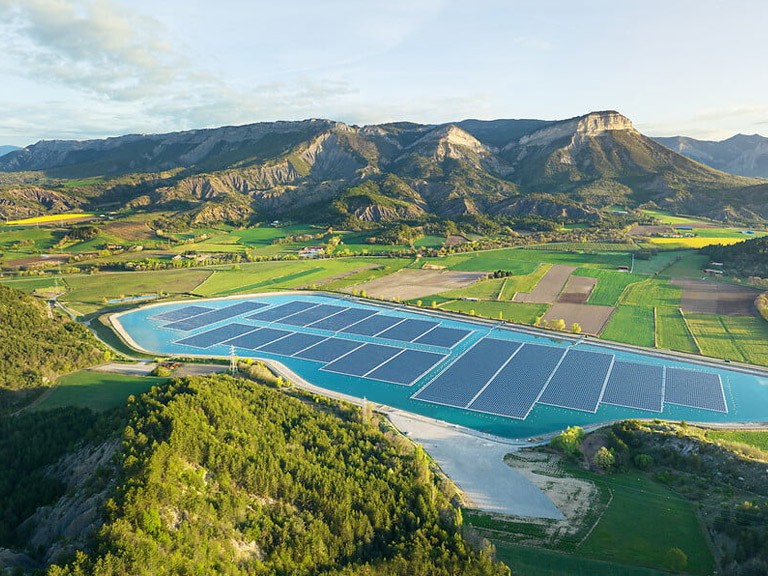
EDF’s role
Achieving carbon neutrality by 2050
A new transformation is underway: achieving carbon neutrality.
Producing low-carbon electricity. Adapting grids to integrate new modes of generation. Supporting the evolution of uses, from housing to industry.
EDF Group is innovating and developing solutions to build a more resource-efficient, more resilient energy system for everyone.
Electricity is becoming essential to decarbonising activities
#1 - Accelerating electric mobility
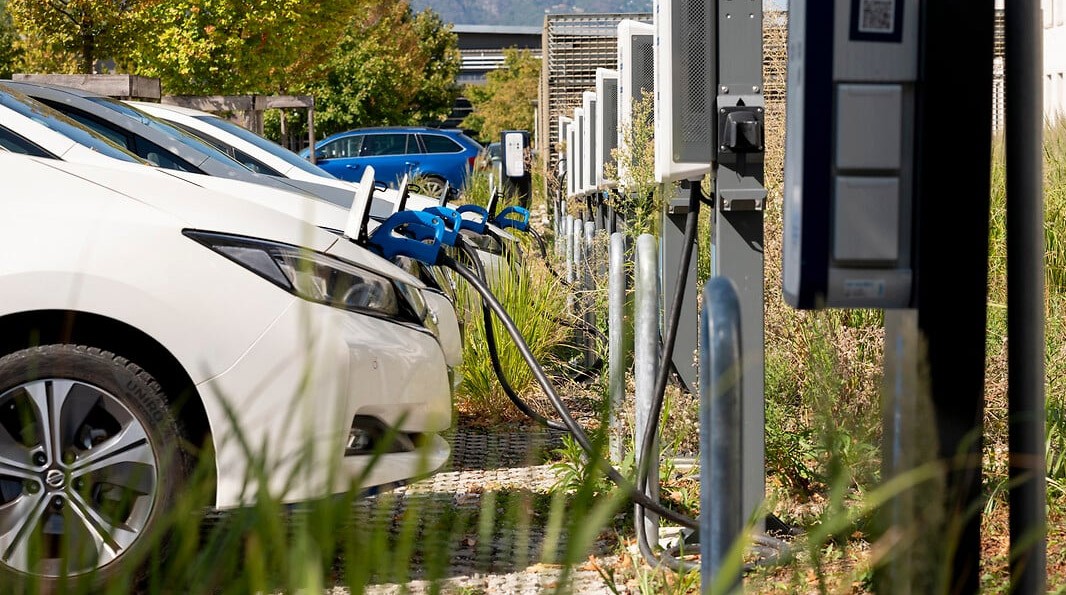
In 2018, EDF launched its electric mobility plan and storage plan. Private vehicles, public transport and corporate fleets: electric mobility is scaling up.
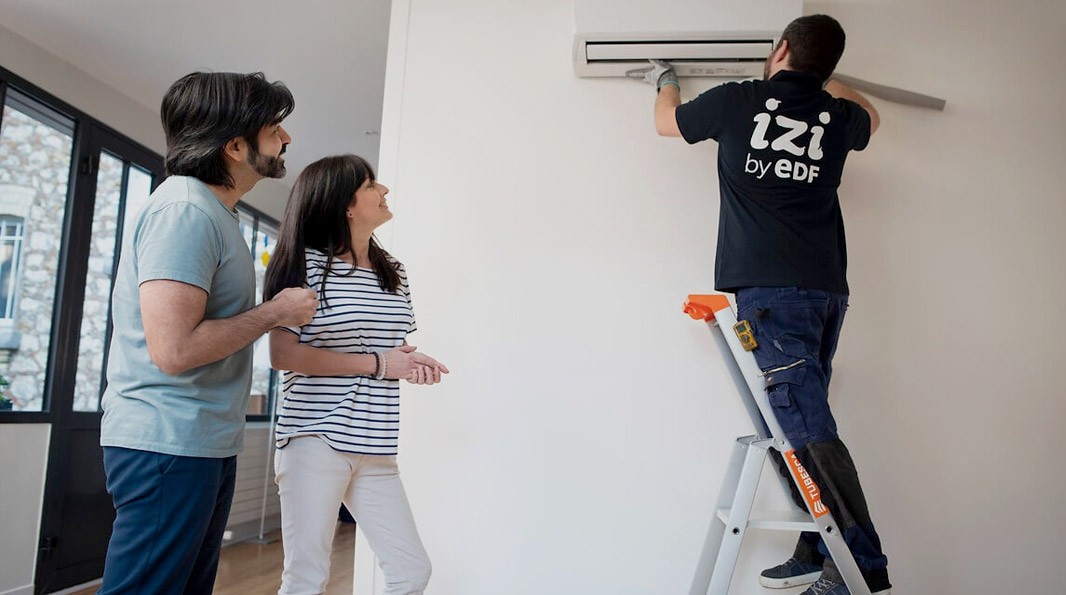
#2 - Supporting households
In 2019, EDF expanded its home services through IZI by EDF. Insulation, renovation and equipment: electricity is becoming part of people’s life projects.
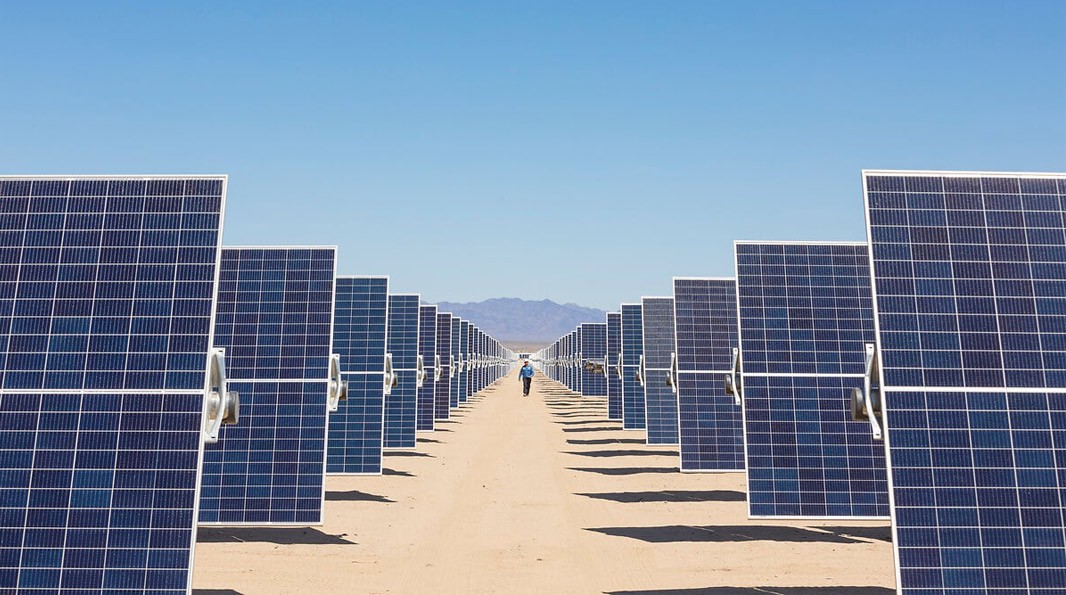
#3 - Producing differently
Low-carbon electricity is gradually replacing fossil fuels in industry and across economic activities. Today, more than 99% of the electricity generated by EDF in France is low-carbon.
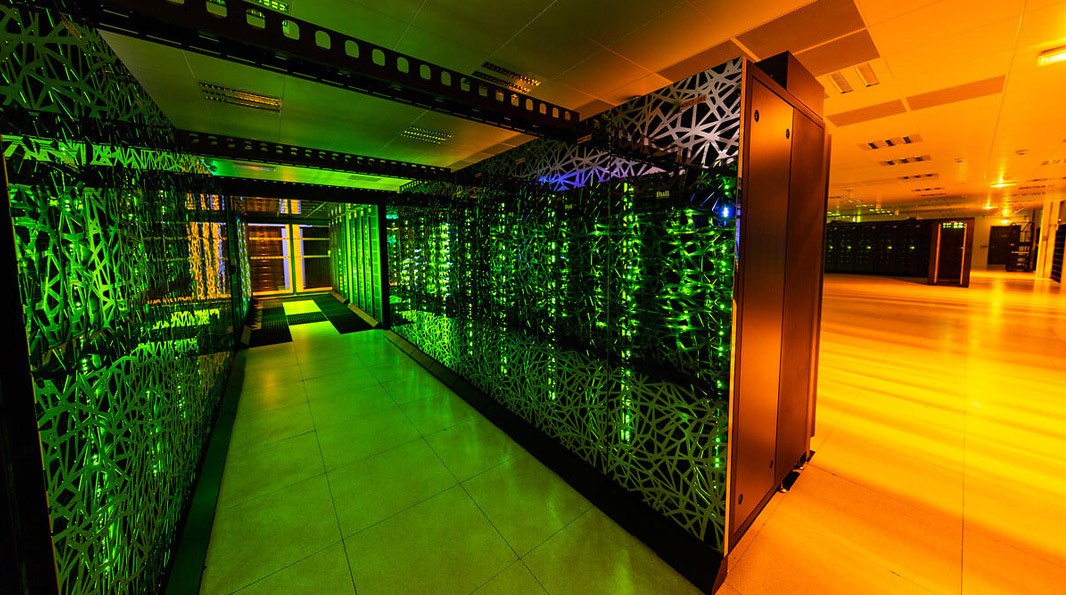
#4 - Broadening horizons
Present in Europe, Asia, the United States and India, the Group operates in more than 30 countries. Nearly half of its business activity is now generated outside France.
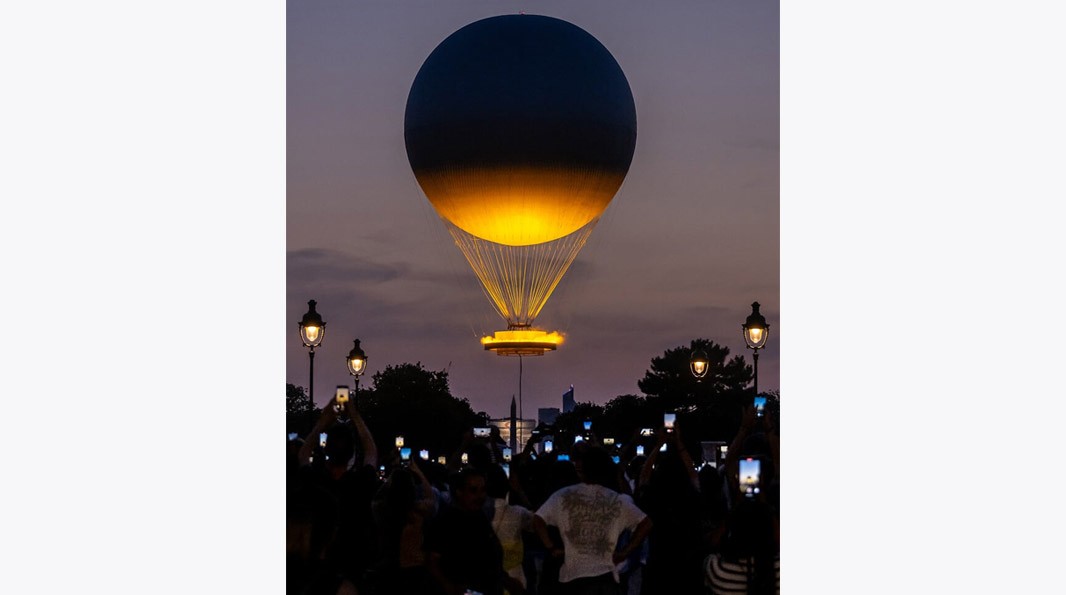
#5 - Expertise serving the Paris 2024 Games
EDF Group is the official renewable electricity supplier to the Olympic and Paralympic Games. A true technological feat, the Olympic cauldron and its flame ring, designed by EDF, showcase the expertise of the Group’s employees.
Eighty years after its creation and the public service mission entrusted to it, EDF remains a key player in the major collective challenges of our time. By transforming the energy system, the Group is helping reshape the landscape at the crossroads of climate, industrial and societal issues.

Building a sustainable future
Since 1946, EDF has helped build one of the world’s most efficient power systems, supporting everyday life through every major transformation.
As France reaffirms its energy strategy for the years ahead - including the revival of its nuclear programme and the construction of six new EPR2 reactors by 2038 - a new chapter is beginning.
As a committed player in this national ambition, EDF Group is already mobilised to serve people across France and drive the energy transition. As the world’s leading producer of low-carbon electricity, the Group is investing in renewing its nuclear fleet and modernising networks, developing renewable energy, and supporting customers in electrifying their uses.
This trajectory is shaping an energy future that meets the challenges ahead. It is paving the way for a more sustainable, more resource-efficient and more inclusive society - a future we are building together for the next 80 years.